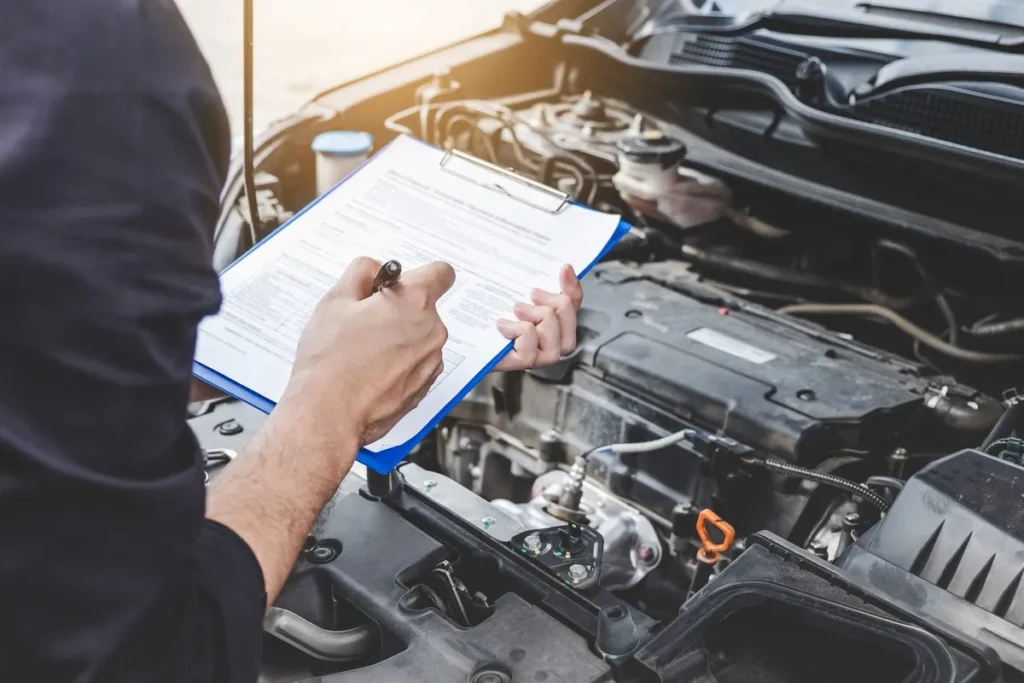

Buying a first-used car is exciting. However, here are some things to look into before buying. New customers are not usually aware of what they should look at, and they trust the seller. It is through this that a buyer may be trapped in concealed expenses. That is why you should not always believe anyone, but here are a few guidelines that you should follow before deciding to entrust your money.
Begin with an Off-Engine
Everyone would like to know the sound of the engine. However, it would be more informative because the engine is cold. Request whether it is possible to examine the vehicle, and ideally, it should be too early in the day. There might be something wrong with the overheating or a rough cold start, which is resolved after the car has warmed up.
Check First Oil Leaks
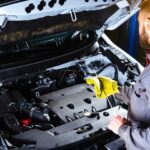
Check the new oil spots or dark spots surrounding the engine block, or the presence of oil on hoses and belts. Next, take off the oil dipstick, and note the level and colour of the oil. Oil must be amber coloured. Thick, dark, or frothy (milky) coffee coloured, black, milky, and strong oil is a sign of the need for maintenance.
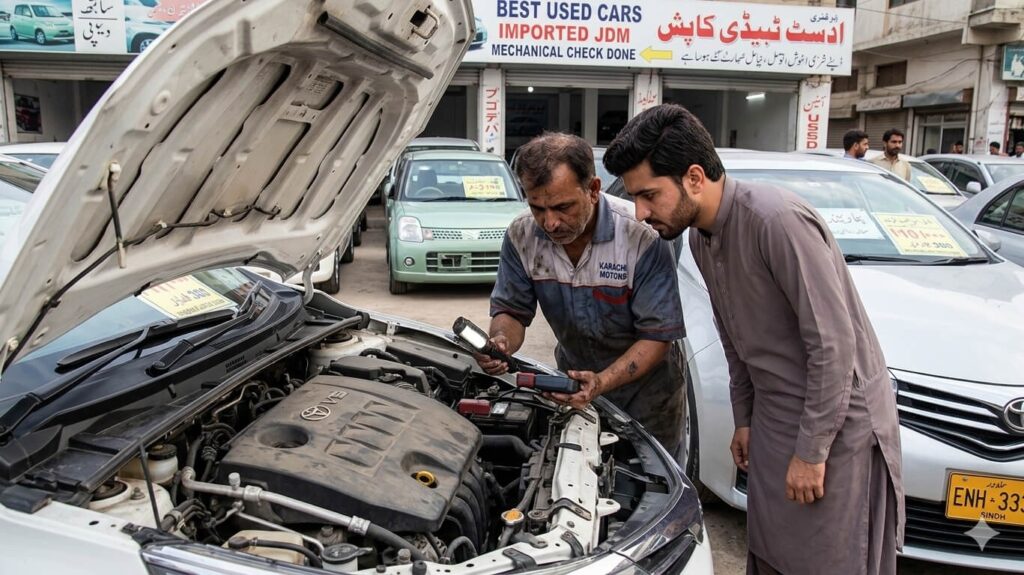
Look at the Coolant
Find the coolant tank and verify its fullness. This is to be within the minimum and maximum levels. Also, check the colour of it, it must be green, blue, or orange. When it is brown or rust coloured, there is a possibility that the cooling system was not properly maintained and will, in the future, cause any problem with overheating.
Inspect the Belts and Hoses
Look at the engine rubber belts and hoses. In addition, they need to be flexible and not hard. Worn, broken, or worn-out belts are indicative of wear and tear and will require replacement in the near future. Similarly, engine hoses are not to be mushy or hard. They do not make good hoses either. Belts and hoses are not very expensive to change, but it is something to keep in mind when placing an offer.
Turn on the Engine and Listen
Now, turn on the engine. Hearing through the outside of the car. The engine must start freely and smoothly when it is fresh. Hear the following sounds:
- Knocking/tapping: may be worn engine bearings or low oil pressure.
- Noise at start: may be a timing chain issue.
- Hissing: may refer to a vacuum leakage or leaking coolant.
- Smoking too hard on the tailpipe: blue smoke is an oil leak that burns, white smoke is a leak in the coolant line, and black smoke is too much fuel.
Also, turn on the engine and allow it to run for a few minutes, and monitor the temperature gauge. It must reach the typical operating range and stay there. When this approaches rapidly or changes, there is a fault in your cooling system.
Rust and Corrosion
Test the engine mounts and other suspension and engine parts for corrosion and rust. Older cars should have surface rust. However, too much rust on structural components or on the engine bay contributes to water damage or flood damage, which is a huge issue, especially in monsoon cities such as Karachi, where flooding is common with frequent occurrences.
Test Drive-Post Inspection
After carrying out the visual used car engine inspection, test-drive it. Find a steady and linear acceleration. You need to make certain that the transmission is smooth. Any slow, choppy, or power loss at specific RPMs may indicate a problem.
In case of doubt, come in to have a check-up
There is no need to stress the importance of a used car engine inspection by a certified mechanic. Websites like Fame Wheels offer a 150-point certified check-up report that examines the engine, transmission, brakes, and electricals, among others.
Also, do not buy them in case the owner refuses to permit the inspection of the car by a professional.
Conclusion
You do not have to be an engineer when checking the engine of a used car. Learn the tips and check for yourself. Check the oil, coolant, belts, and hoses. Observe and hear the engine. Note leaks, rust, and smoke. And to be on the safe side, have a complete check-up by a trained mechanic.