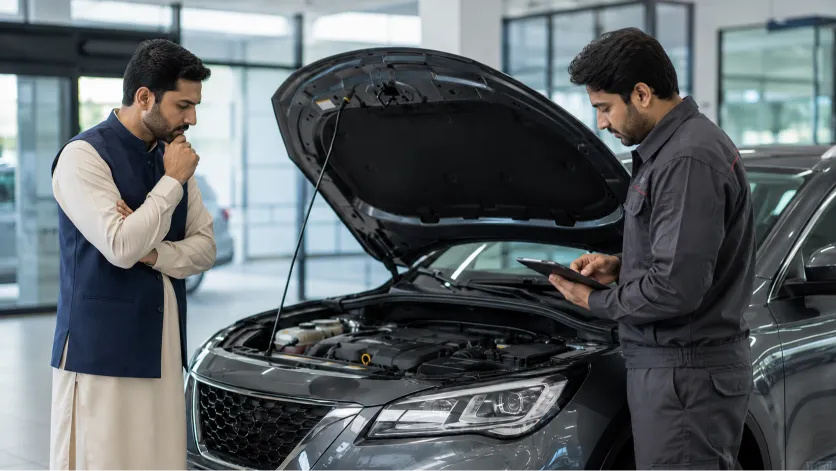

Purchasing a used auto isn’t an easy decision to make. An incorrect move and you end up spending more money on repairs than you thought you’d saved by buying it. Which is where it is important to have a pre-purchase vehicle inspection. It will provide you with a clear idea of what you are purchasing before paying any money.
However, an inspection is not sufficient. Then, you have to ask the proper questions. Let’s help you do just that with this easy guide.
1- Has the Car been involved in any accidents?
This is the first and foremost question. Inquire from the seller. Then, look for signs yourself during the pre-purchase vehicle inspection. Do not miss panel gaps, mismatched paintwork, and oversprayed rubber trims.
Also, request the inspector to inspect the chassis and frame for bending or repair visually. If the car is broken, it’s always too expensive.
2- How Many Owners Has the Car Had?
Extras must be used on any car that has had several owners. The methods by which each owner keeps his or her car in great shape are unique. So the more owners it has had, the more difficult it will be to keep track of the car’s actual ownership history.
Request and examine paperwork as it was originally issued. Also, verify if the enrollment is the same as the seller’s.
3- What Is the Actual Mileage?
Ask for the actual mileage of the used car. Keep in mind, high mileage is not necessarily a deal breaker. Suppose the car is well-maintained and works perfectly well, then it’s alright. Otherwise, some cars are neglected but have low mileage.
4- Do engine repairs/replacement exist?
If you ask this question upfront, then confirm it during the pre-purchase vehicle inspection. The inspector should inspect for oil leaks, possible engine noise, and any unexpected use of non-original parts. An engine that’s been replaced or was badly reconditioned impacts performance and value.
Moreover, check the engine number against the registration documents. A discrepancy is a big deal.
5- Is the Transmission Working Properly?
The cost of transmission repairs is high. While inspecting, request that the inspector test the gearbox in all modes. For automatics, watch for delayed shifts or jerky transitions. If using manuals, look at the gear slippage or a tight clutch.
In addition, inquire if the transmission fluid has been changed frequently. When neglecting a fluid begins, it can result in larger issues in the future.
6- How Does the Suspension and Steering Work?
A test drive is recommended for this one. Request a check by the inspector of the suspension parts’ wear. Be aware of knocks over bumps. Also, make sure that the steering doesn’t drift to one side.
7- How are the Tyres and Brakes on Vehicles?
It is important to observe whether the car tyres are in good condition or not because it can be a threat to your safety. Examine all 4 tyres, including the spare tyre. Worn tyres can indicate alignment issues or suspension issues.
8- Is the Air Conditioning Working Fully?
A broken air conditioner is no trivial matter in Pakistan’s climate. Turn it on and check how quickly it cools. Question if AC is in need of servicing or a regassing. Also, check for any unusual smell from the vents.
9- Are All Electricals and Features Functioning?
Examine all electrical features, one by one. That involves interior lighting, all sensors, central locking, LED reverse camera, and power windows, etc. Electrical errors can be time-consuming and costly.
10- Does the Car Have Any Pending Dues or Legal Issues?
Don’t settle for anything until you know if the car has been registered. Verify all token taxes, fines, and court orders are current. This step will guard you against buying problems post-purchase.
Conclusion
Certainly, choosing a used car is not an easy decision, which is why a pre-purchase vehicle inspection is important. Also, asking the right questions will provide much-needed clarity. Always make sure you check everything before landing your money. It is better to spend some extra time looking for any potential issues than to pay extra money in the future on repairs.