
Modern cars are more than just a means of transportation, they’re a way of life. They are becoming smarter systems that are able to detect and process information around them in real time and react to hazards at a higher speed than human drivers. The key enabler to this transformation is technology known as Advanced Driver Assistance Systems (ADAS).
What Is ADAS?
ADAS is an umbrella designation for a variety of electronic systems designed to keep modern cars safe and convenient. They are powered by cameras, radar and sensors installed throughout the vehicle and monitor the road environment at all times. They warn a driver of a potential hazard, or in more advanced situations, they take corrective measures for the driver.
Generally, there are two types of ADAS features. Passive systems are design systems which observe and alert using a warning light, a sound or a vibrated steering wheel so that the driver is warned. The decision to act is still that of the driver. Active systems take one step further by intervening and taking over part of the vehicle if the driver reacts too late
Types of ADAS and What They Do
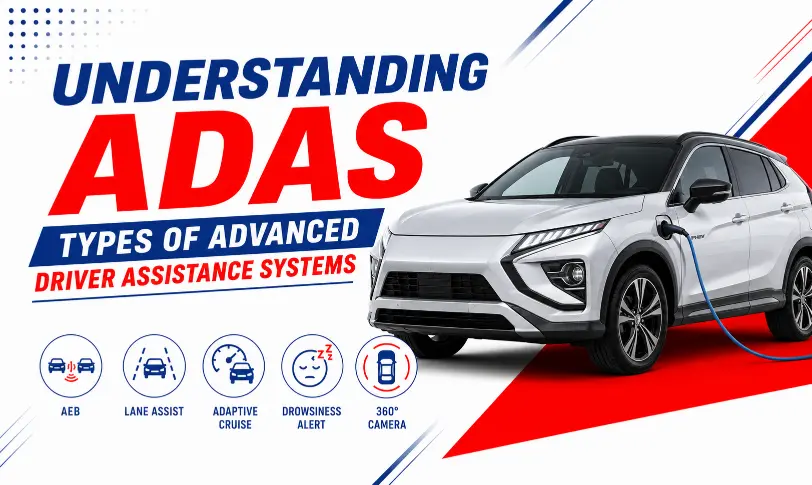
1. Automatic Emergency Braking (AEB)
AEB is based on algorithms that detect potential collisions using forward-looking cameras and radar. The system brakes automatically if the driver has not applied the brake in time. Increased functionality can also identify pedestrians and cyclists. AEB functions as a safety net on roadways in Pakistan, where drivers often face sudden stops and must constantly adapt to unpredictable traffic conditions.
2. Lane Departure Warning and Lane Keeping Assist
The Lane Departure Warning (LDW) system uses a front camera to read lane markings and warns a driver about the cars that are moving out of lane. Additionally, it takes it one step further by frequently steering the vehicle back into the correct lane using gentle steering forces. This system is a second level of protection that can be relied upon for long motorway journeys.
3. Adaptive Cruise Control
Standard cruise is set to maintain a specific speed. Adaptive Cruise Control does the same and also automatically adjusts speed if there was a vehicle in front at a safe following distance. The system decelerates if the car ahead brakes. The moment the road becomes clear, its speed returns to the set level automatically, without the driver having to do anything.
4. Driver Drowsiness Detection
One of the most brilliant features is analysis of lane position, and driving behaviour over time is used to determine indicators of fatigue. If it detects a pattern that matches the conditions of a sleepy driver, it will give a warning to take a break.
5. Surround View and Parking Cameras
Cameras on the parking lot display the rear view of the car. Surround view systems take things a step further by using multiple cameras to produce the live view of a car and all the surrounding environment. It can be much easier to park when you are able to see all angles simultaneously.
What are the Options of ADAS in Pakistan?
| ADAS Feature | Available in Pakistan? | Example Models |
| Automatic Emergency Braking | Yes | Kia Sportage, MG HS, Toyota Corolla Cross |
| Lane Departure Warning | Yes | MG HS, Hyundai Tucson, Kia Sportage |
| Adaptive Cruise Control | Yes | Kia Sportage, MG HS, Toyota Fortuner |
| Surround View Camera | Yes | Kia Sportage, MG HS, Honda City top variant |
| Driver Drowsiness Detection | Limited | Select imported and premium models |
The number of cars available in Pakistan with these capabilities has increased over time as more and more crossovers and Chinese car brands have become affordable. Consumers are increasingly buying more cars with greater features, making ADAS a mandatory rather than optional additional cost.
Few Things to Keep in Mind
ADAS helps the driver to take on his duties, but not take driver responsibilities. Don’t think that Adaptive Cruise Control makes inattention safe. Lane Keeping Assist isn’t a sign to adjust your driving style and get your hands off the steering wheel. As there are risks with overreliance on them, each system is designed to complement human judgment in critical situations. It’s as important to know what a feature can and cannot do as to know that one is even there.
Conclusion
In Pakistan, ADAS technology is becoming more prominent by the year and it is a real advance in vehicle safety. Once you have a car with these systems, you use them as they intended, and knowing what they do helps you better understand them when comparing cars. The most useful driver helping system is the one you know well enough and use correctly.