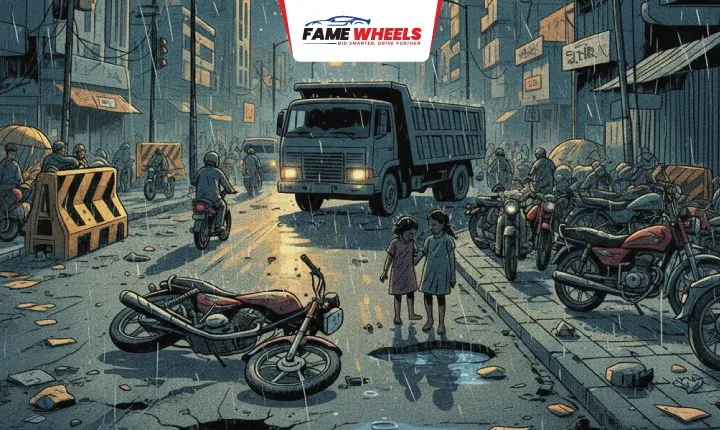

Two young sisters lost their lives riding on a broken road in Nazimabad, Karachi. It occurs daily on Karachi roads, and no one is speaking about it at all.
According to a local welfare organisation, over 300 people lost their lives in traffic accidents in Karachi in just 100 days. Also, approximately 70 percent of the fatal accidents were associated with motorcycles. Motorcyclists are the worst-off group on the road, with their numbers of over 3 million bikes registered and commuting on the roads of Karachi each day.
These are not just statistics. Behind every number is a family that lost someone. A father who didn’t come home. A student who never had the chance to go to university. The daily wage earner whose family lost its sole earner.
Why Are Riders Dying?
It is not a simple issue of careless driving. Even the road system is failing riders day in and day out. This is what makes roads in Karachi so dangerous for motorcycles:
- There are nearly no bike lanes, which results in accidents with buses and trucks
- The majority of bikers do not wear helmets on Pakistani roads
- Absence of footpaths
- Trucks switch lanes without signalling
- During road construction, roads are not properly covered, or there is no presence of signs.
- No parking areas
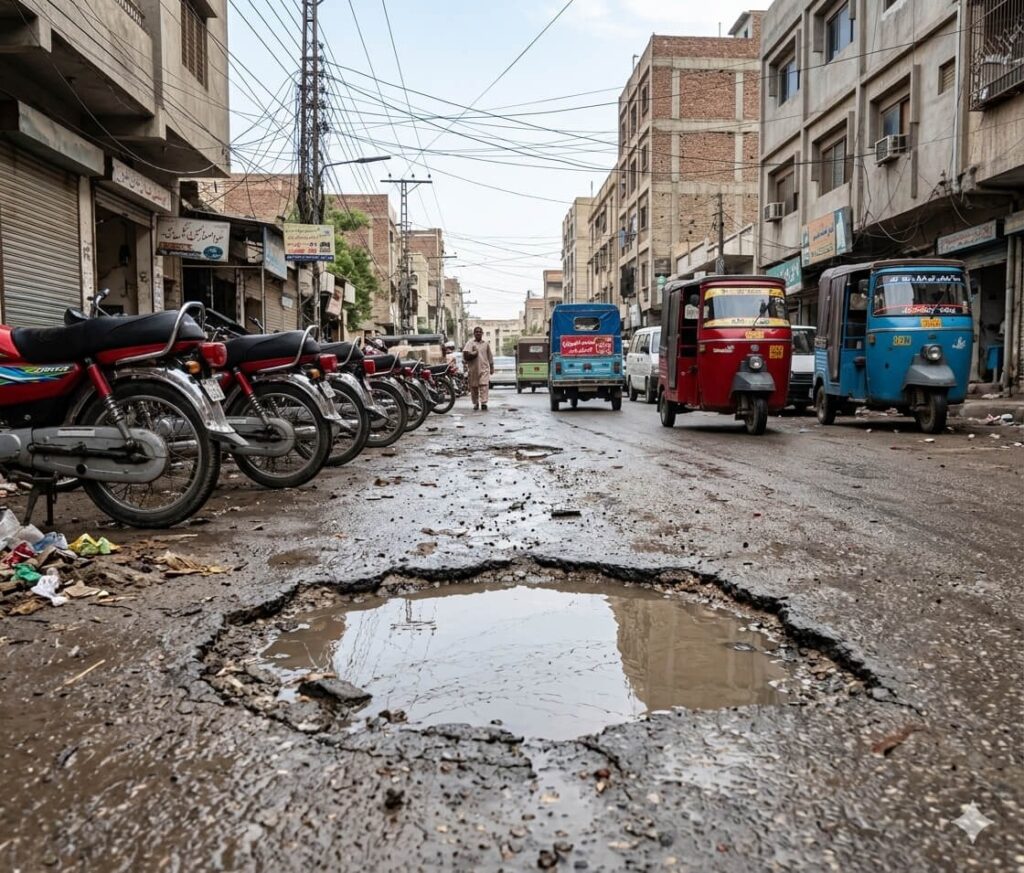
Additionally, during the rains, Karachi’s roads flood quickly. Video footage regularly captures sinking cars in water and bikes falling into open ditches that appear on major roads overnight. In others, motorbike riders have almost drowned their bike in water-filled pits without any warning.
The Human Cost Nobody Talks About
According to Dr Muhammad Suleman, Joint Director, Orthopaedics at Jinnah Hospital, there is a 90% likelihood of fracture of the arms and legs when falling on a motorcycle. It can be cured in two or three months. Most of the victims, who are daily wage earners, food delivery riders, and students, are unable to work during that time. Their families go bankrupt as they recuperate.
In addition, Karachi is the 4th city in the world with the largest number of fatalities on the road. After all, Pakistan tops the list of countries in Asia in terms of accidents caused by traffic. One cannot be proud of these numbers. These are an emergency in the country.
The Problem includes Unsafe Vehicles
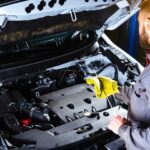
One aspect of this crisis is the condition of roads. The other are unsafe vehicles. Most of the bikes and cars on Karachi roads have brake failures, worn tyres, broken headlights, and faulty steering features that the riders and buyers themselves are not aware of until something goes wrong.
That was precisely the reason why a car check-up is significant. These issues are identified during a good check-up before the accident happens. FameWheels has certified professionals who conduct a 150-point inspection of the vehicles, testing their brakes, tyres, steering, lights, and all the opposing sides.
What Needs to be Changed Immediately?
The Karachi road crisis will not go away automatically. Nevertheless, awareness and responsibility, by people and effort from the government, will bring change.
The following must occur:
- The government should fix roads, place correct warning signs, and stick to helmet laws.
- Riders should prioritize wearing helmets and avoid riding near heavy trucks
- Heavy vehicles should refrain from changing lanes without signalling
- Customers should avoid purchasing cars without due inspection.
- The motor industry needs to be upfront and promote road safety to the public.
Conclusion
There is no need to have more vehicles on the road in Pakistan. It requires safer roads, more responsible riders, and a culture that does not sacrifice human life to speed. Two of the sisters died on a faulty road at Nazimabad. Since then, hundreds more have died. The real question is how many more before something actually changes?
Check your bike or car. Wear your helmet. Follow the rules. And do not forget that on the road, you are carrying a family. Treat it that way.
FAQs
More than 100 deaths occurred within the span of two months, and that is alarming for riders.
Actually, in Karachi, there are no bike lanes, and the poor condition of roads leads to major accidents.
Mostly, people purchase vehicles without prior inspection, leading to accidents. We suggest that even before getting into your ride, checking in is important.