
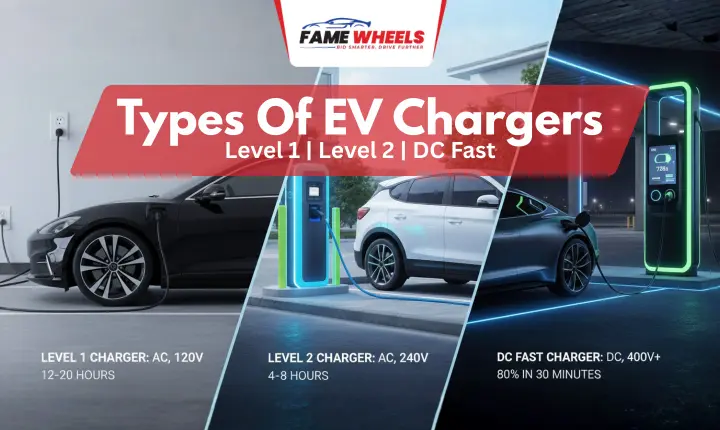

With the rise in popularity of electric vehicles (EVs) comes a demand for dependable, efficient charging solutions. There are different types of EV chargers Level 1, Level 2 and DC Fast Charging that it can use. There is a variety of options with varying speeds, benefits and costs that can be difficult to navigate if you have an electric car.
Understanding EV Chargers
You need an EV charger to charge your electric car. The charger you use will depend on a few things, including the speed at which it charges your phone, its convenience and its cost. Let’s take a look at some of the main differences between EV Charger Level 1, EV Charger Level 2, and DC Fast Chargers to help you get an idea of what suits best for your needs.
EV Charger Level 1: The Ordinary Household Charger
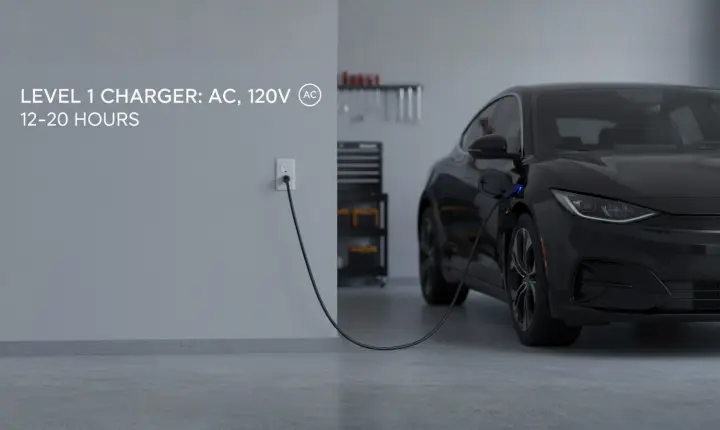
EV Charger Level 1 is the bare minimum charger, offering a slow and steady charge to your EV. This charger works with a standard 120-volt household electrical outlet like the one you use to power your home appliances.
Charging Time:
The Level 1 charger is usually the slowest, and fully charging your EV with one can take anywhere from about 12 to 20 hours (depending on how big you battery is). This means overnight charging is optimal, and it’s best for people with shorter daily commutes.
Cost:
One great advantage to EV Charger Level 1 is that it’s relatively inexpensive up front. No special outlet installation required, keeping it cost-effective for those who don’t mind longer charging times.
Best For:
This charger is great for people with short drive commutes or for those who can charge over night. It’s also great for people who are on a budget.
EV Charger Level 2: Faster Charging for your modern EV!
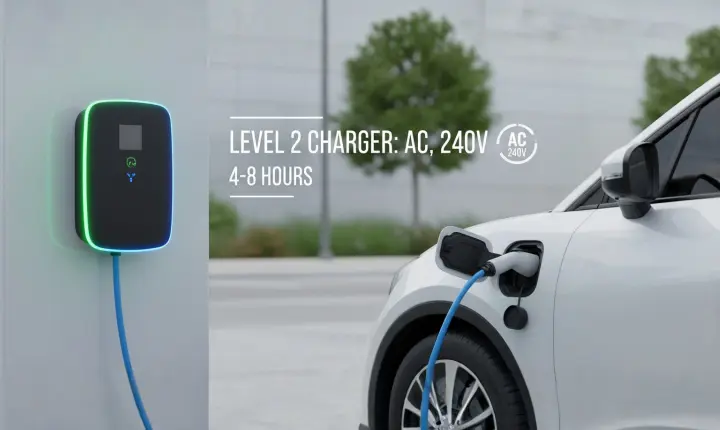
EV Charger Level 2 takes 240V, which provides the fastest charging speed for your electric vehicle. This is not too bad: You’ll need to have a charging station in your garage or at public stations.
Charging Time:
Level 2 chargers will probably give you a full charge in 4 to 8 hours, depending on your vehicle’s battery size. This is much faster than Level 1 and is a great alternative for commuters, day after day.
Cost:
Prices for Level 2 chargers can fluctuate greatly depending on installation and equipment. As a general rule, the charging station costs somewhere between $400 and $700 by itself; installation can cost at least another $500 or more, depending on where you live and how straightforward of an install it is.
Best For:
Level 2 is for people who want faster charging than Level 1 provides, but who don’t need the lightning-quick speed of DC fast chargers. This is ideal for overnight charging at home or in public charging stations.
DC Fast EV Chargers: The Ultimate Charge
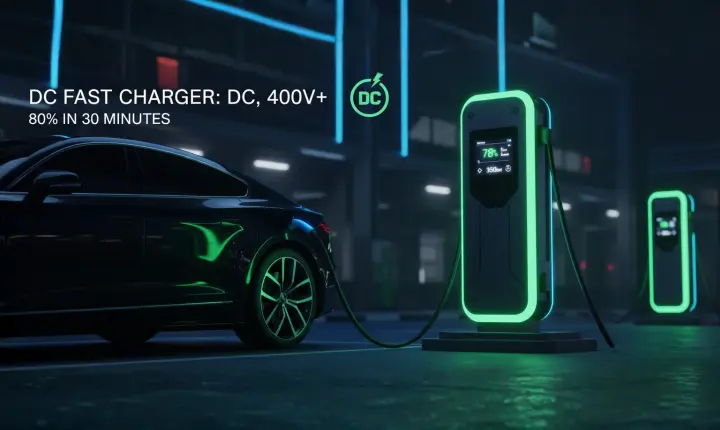
DC Fast Charging is the quickest EV charging solution for customers. This charger sends high voltage and direct current directly to your car battery bypassing the onboard charger for added convenience.
Charging Time:
Between battery size and charger rate, some DC Fast Chargers can get an EV to 80% in as little as half an hour. Which is what makes them so good for long road trips, or a quick pick-me-up when you’re on the go in your EV.
Cost:
They are also the costliest chargers to install and operate. A DC Fast Charger can cost between $20,000 to $50,000 for installation. However public DC Fast Charging locations generally provide pay-per-use options and would limit the need, for a home installation.
Best For:
These are the type of chargers you will find in a public setting, on roadsides or for commercial use where time is of the essence. They’re great for those who need the quick charge while they’re on long trips or are in areas where there’s congestion, such as shopping centers and offices.
Which Kind of EV Charger Do You Need?
The best charger for you depends on your lifestyle, budget and driving habits. If local driving is your chief use and you are able to charge overnight, then Level 1 gives by far the best bang for the buck. Level 2 offers a moderate speed and reasonable cost for commuters; DC Fast Chargers are best for long-distance travelers with access to high-speed charging.
Comparison Factors To Look For In Your EV Charger:
- Charging Speed: Are you in a hurry to charge for long trips, or can you recharge it at night?
- Cost: Do you want the cheapest home option, or is speed a higher priority?
- Location: Are you near enough to public charging stations, or do you need to set up a home system?
Conclusion
With electric vehicles quickly becoming more common, the need for an efficient and convenient home EV charger is paramount. Whether you decide to go with EV Charger Level 1, Level 2, or DC Fast Charging, there are benefits to each approach and knowing the differences that will work best for your use case is crucial.