
KP to Convert Petrol and CNG Rickshaws to Electric
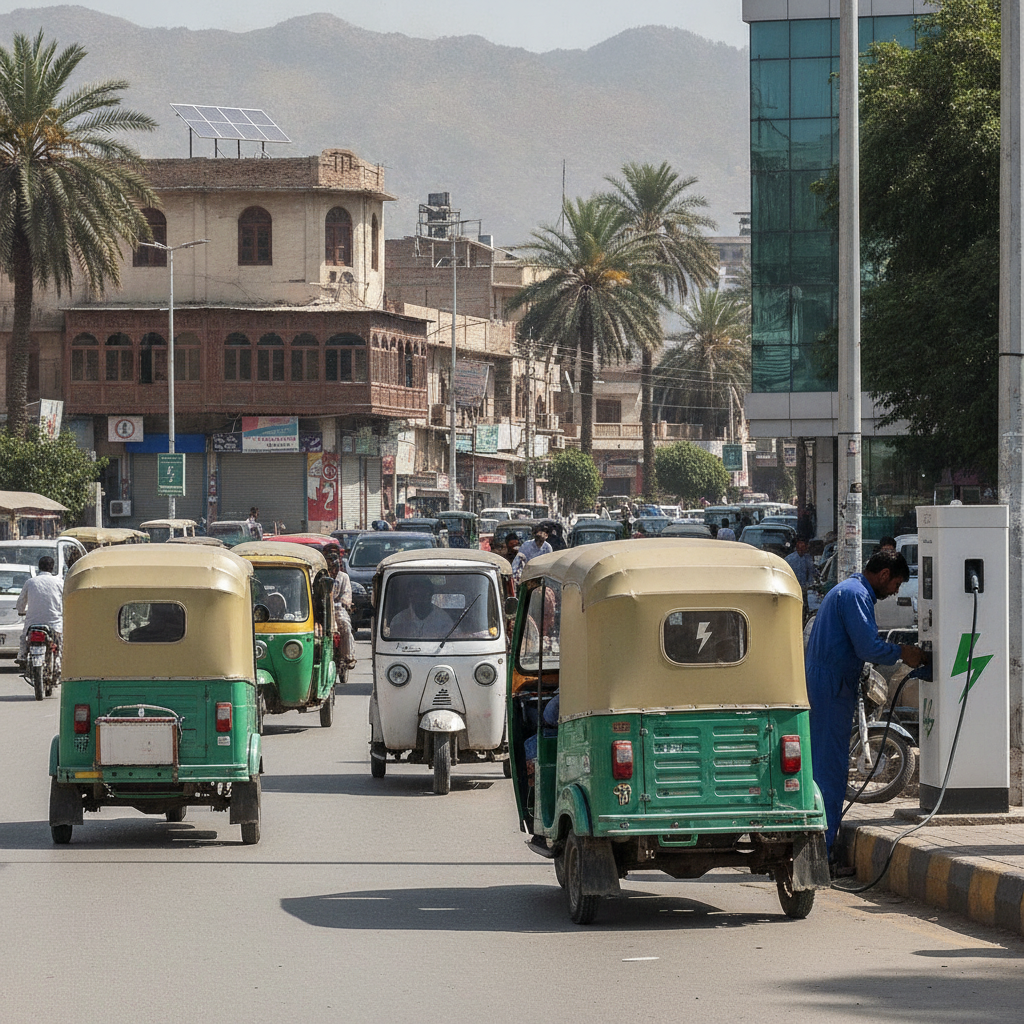
Khyber Pakhtunkhwa suggests introducing electric motors in the rickshaws that exist in the city of Peshawar, thus avoiding the import of new rickshaws. Proposing a pilot project to convert the petrol and CNG rickshaws into electric, Advisor to the Governor, Transport Affairs Asif Rafiq said on Sunday. Cleaner air and reduced noise and running expenses are the guarantees.
What events have been set for?
- Existing petrol and CNG rickshaws will be upgraded and not replaced with new.
- The beginning of the pilot project will be in Peshawar.
- The goals are to reduce air and noise pollution, and for drivers to save money.
- Drivers and union representatives are welcome.
- If it is successful, the project will be extended to other KP cities.
What is the Potential for Savings to Drivers?
The current cost of the rickshaws to the rickshaw drivers is Rs. 30,000. After conversion, he expects monthly running costs of Rs. 10,000 or less. If that is true then a driver will save Rs. 20,000 to Rs. 30,000 a month.
What Questions Remain?
- What is it going to cost and who pays it? (Will it be the driver, a subsidy, or a loan?).
- What battery is used and how long is the warranty and how many years will it last for?
- Who to certify? Are all converted rickshaws safe and road worthy?
- What locations will be available for charging and what will the time be to fully charge?
Is it the same as KP’s plans of the earlier E-Rickshaw?
A proposal to launch 10,000 electric rickshaws in Peshawar connected to BRT was reported in January. This project is unique in the sense that it is transforming existing rickshaws that are already on the road. The announcement also came from the Governor’s adviser making it unclear how it will fit in with the provincial government’s plans.
Will converting make sense for the environment?
An electric rickshaw emits no tailpipe pollution and they produce minimal noise in overcrowded streets. Instead of scrapping, converting an old vehicle can be done. The benefit, however, hinges on the number of vehicles converted, as well as the source of the electricity.
Conclusion
The rickshaw conversion in the pilot project by KP is a practical solution to a real issue, and it’s an appealing cost-saving solution in theory. For now, say it is an idea worth testing until we are given the cost, battery, certification and charging information.
Related reading on FameWheels
- Japanese Automakers Face a Third Year of Falling Sales
- Hybrid Battery Health and Japanese Auction Sheets
- Pakistan Targets $6 Billion in Auto Exports With Incentives