
In the growing Electric Vehicle world, regenerative braking is a critical system that can help turn EVs into viable vehicles in everyday driving. In non-technical terms, when you brake under regenerative braking, most of the energy is stored in the battery and then used to drive your car. This technique not only increases the next charging profile of the electric vehicle, but also has several environmental and economic benefits. In Karachi, Pakistan, regenerative braking has been thought of as redefining the energy spending behavior and green driving practices of people for electric cars.
How Does Regenerative Braking Work in an Electric Vehicle?
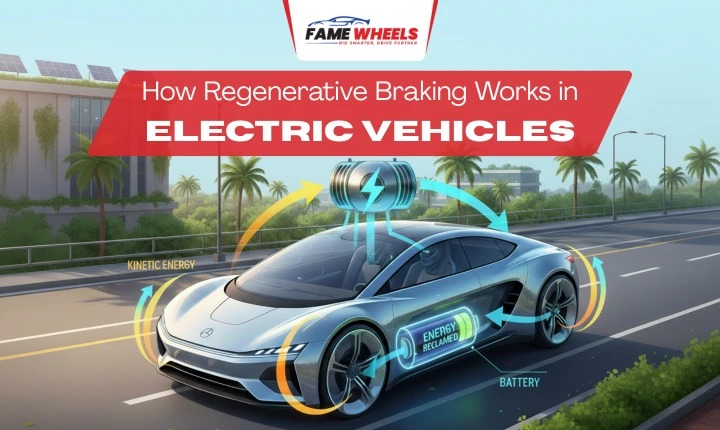
Regenerative braking is when the electric motor slows down your car instead of brake pads. There is regenerative braking too, whenever you hit the brakes, the electric motor goes into reverse mode and starts acting as a generator. The electromotive force generated by the vehicle’s motion (kinetic energy) is converted to electrical energy and returned to the battery. This helps to recharge the battery and lessen Wear on a standard braking system.
Benefits of Regenerative Braking
One of the great advantages of EPBs is regenerative braking, which preserves a vehicle’s battery. The battery is being charged while braking. Less charging, higher performance. It also cuts down on energy waste and lessens strain on the electric grid.
Not only does regenerative braking increase battery life, but it also reduces strain on the conventional brake system. Due in part to the fact that the electric motor does some of the braking, less friction is generated between brake pads and discs, so maintenance costs are reduced for car owners.
Regenerative braking also offers a substantial environmental benefit. As EVs take off in Karachi and elsewhere in Pakistan, regenerative braking helps minimize a car’s carbon footprint by using energy that would otherwise have gone to waste.
Charge Time and Why it Matters for Electric Vehicle
A robust regenerative braking system for an EV can significantly improve battery life and charging efficiency. With regenerative braking, you can do something to recharge it along the way, rather than relying entirely on outside charging sources to fill ‘er up. This keeps that over time and reduces full battery charges, Wear, and oh, while the battery infrastructure is a little bit damaged. And electricity consumption.
Maintenance and Safety Considerations for Electric Vehicle
While regenerative braking has many pros, it is important to have the system in best condition. Battery maintenance and Regular checks and braking system are required to confirm that both worked efficiently. Also, some electric vehicle (EV) owners may want to adjust to the new braking sense, as regenerative braking can feel bit different from traditional braking systems.
Using the electrical motor to brake helps minimize the use of normal pad brakes for a safer drive.
Conclusion
Regenerative braking is a great new feature for an EV or I said for electric vehicle, which increase battery life and cuts maintenance costs. This new technology is also important in making EVs more maintainable and practical for the common people, mainly in Karachi and other cities of Pakistan.
FAQs
Regenerative braking is a system that recovers energy during braking and converts it into electricity, which is then stored in the vehicle’s battery.
Regenerative braking extends the battery life by charging it during braking, reducing the need for external charging and conserving energy.
Yes, regenerative braking reduces wear on conventional brake systems by taking over some of the braking duties, lowering maintenance costs.
Yes, regenerative braking is becoming increasingly common in electric vehicles in Pakistan, helping to improve efficiency and sustainability.
By reducing energy waste and utilizing the energy from braking, regenerative braking helps reduce the carbon footprint of electric vehicles, making them more eco-friendly.