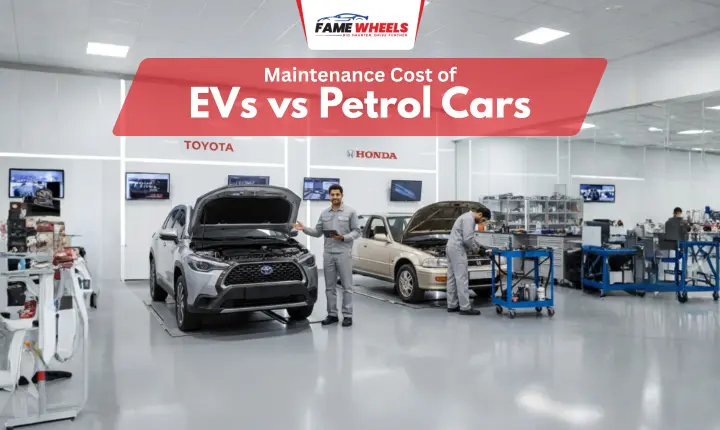

Electric vehicle (EV) use is increasing globally, and the market for EVs is expanding equally as fast. Perhaps you’re thinking about buying an EV and are interested in seeing how much it will really cost in comparison with a petrol car over its lifetime? The growing popularity of EVs is a reflection of the global trend toward sustainability, but when it comes to Maintenance Cost Of EVs, how do they stack up against petrol vehicles? We dive into some of the factors influencing maintenance costs for both such cars and discuss their impact on Karachi and Pakistan below.
The Maintenance Cost of EVs
One of the largest advantages of EVs over conventional petrol cars is cheap maintenance. EVs in general are often easier to maintain because they have far fewer moving parts. Here’s why:
No Engine Oil Changes
Electric cars don’t need oil changes every few months, so over time, this can lead to some fairly substantial savings. Petrol cars, however require oil changes every few thousand kilometers to keep the engine working smoothly.
Fewer Brake Repairs
EVs are also equipped with regenerative braking systems that minimize brake pad wear. The motor is used to slow the car, capturing kinetic energy and returning it to the battery as electricity. When driving, brake pads on EVs last significantly longer than those on petrol cars, which translates into lower repair and replacement costs.
Battery Life
Although EVs cost more initially because of the battery, well-maintained EVs are known to have a good life, ranging from 8 to 10 years of regular use. Battery replacements, while expensive, are infrequent and usually come under warranty for the first number of years.
Charging Infrastructure
In Karachi and Pakistan, the number of available facilities for EV charging is increasing every day, but it’s still far behind that of petrol stations. This could mean higher charging-at-home costs for EV owners who need to purchase a home charging unit.
The Having To Pay For Maintenance Petrol Cars
Petrol cars have obviously been around much longer, with more refueling infrastructure out there, and yet have higher ongoing maintenance costs. Here’s why:
Frequent Servicing
With a petrol car, these require regular servicing you’ll need oil changes, air filter replacements and spark plug replacements. These are ongoing costs that should be considered when thinking about the longer-term cost of owning a petrol car.
Fuel Costs
Petrol, while it is not part of maintenance, is one significant operating expense. In Ridge City (Pakistan), petrol prices increase day by day, and the income of citizens is not about which motor car they can use to drive.
Repairs
Petrol engines have more moving parts, and therefore more opportunities for mechanical issues to arise. For instance, issues with the transmission, exhaust system, or engine components can be expensive problems to fix.
Cost Comparison – Karachi Vs Pakistan
The increasing popularity of EVs in Karachi, however, is facing obstacles such as a paucity of charging stations. But, as infrastructure advances, the cost for owning and maintaining an electric vehicle will start to compare more favorably with that of petrol vehicles. The up-front cost of EVs in Pakistan can indeed be high, but maintenance, fuel and other long-term costs have saved us quite a bit of money making EVs the more economical choice in the long run.
Long-term savings in maintenance, whether it is an EV or a petrol car, are important when you buy a new car. One thing that will probably change is that you won’t be making as many visits to your mechanic, and most likely not having to pony up for repairs on the same scale. Petrol vs diesel: Running costs. Petrol cars are generally cheaper to buy new, although some of the gap narrows or disappears beyond the point of purchase (more on that a little later). And while there used to be big savings over the life of a motoring product between petrol and diesel engines regarding fuel efficiency, shop around before you bank your future wealth on those differences alone. Similarly, maintenance costs and repair bills tend to hit you more in your pocket with petrol engines than their oil-burning rivals.
The Environmental Impact: More than Just Cost
Cost issues aside, there’s an environmental factor to consider. EVs emit no tailpipe pollutants, reducing the greenhouse gases and smog that cars put into the air. In a country where petrol cars cause a considerable amount of pollution, electric vehicles (EVs) in Pakistan are making advancements to set people on the path towards a cleaner future.
Conclusion
So there you have it, while the initial cost of EV could be big, but Maintenance Cost of EVs has been significantly lower as compared to petrol. Once the charging infrastructure for electric vehicles in Karachi and other cities improve, one will be able to see more cost savings from EVs. With concerns about long-term costs in mind, EVs provide an appealing alternative to SUV because they typically have much cheaper maintenance and a smaller environmental footprint.